
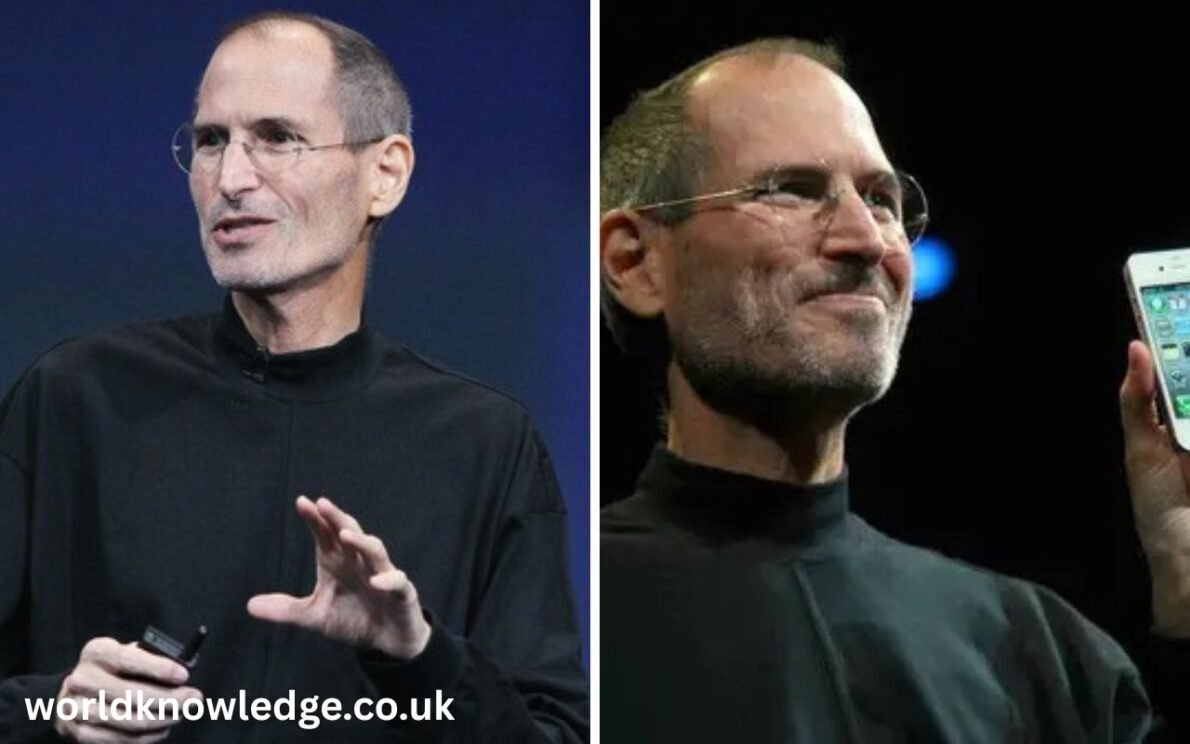

How Did Steve Jobs Died
Introduction
Steve Jobs is remembered as one of the most influential innovators in modern history. As the co-founder of Apple, he helped revolutionize personal computing, smartphones, digital music, and animation. His vision and leadership transformed industries and changed the way people interact with technology.
However, alongside his remarkable achievements, many people continue to ask an important question: how did Steve Jobs died? Understanding the circumstances surrounding his death provides insight into his health journey, the rare form of cancer he battled, and the legacy he left behind.
This article explores Steve Jobs’ illness, medical treatments, final years, and the events that ultimately led to his passing.
Who Was Steve Jobs?
Before discussing how Steve Jobs died, it’s important to understand why his life attracted such global attention.
Born in 1955, Steve Jobs co-founded Apple in 1976 alongside Steve Wozniak and Ronald Wayne. Through groundbreaking products such as the Macintosh, iPod, iPhone, and iPad, he became one of the most recognized figures in technology. His influence extended beyond Apple, as he also played a major role in the success of Pixar Animation Studios.
By the early 2000s, Jobs had become a symbol of innovation, creativity, and entrepreneurial success. Few people expected that he would soon face a serious health challenge that would affect the remainder of his life.
Steve Jobs’ Cancer Diagnosis
The story of how Steve Jobs died begins with a medical diagnosis in 2003.
Doctors discovered that Jobs had a rare type of pancreatic cancer known as a pancreatic neuroendocrine tumor (pNET). Unlike the more common and aggressive form of pancreatic cancer called pancreatic adenocarcinoma, neuroendocrine tumors typically grow more slowly and often have a better prognosis when detected early.
In 2004, Jobs publicly revealed that he had undergone surgery to remove the tumor. At the time, many observers believed the treatment had been successful and that he would fully recover.
Although the surgery initially appeared promising, the disease would continue to affect his health in the years that followed.
The Long Health Battle
After his surgery, Steve Jobs continued leading Apple and introduced several revolutionary products. However, reports about his health frequently surfaced.
Over time, he appeared noticeably thinner, leading to widespread speculation about his condition. Apple and Jobs himself generally kept medical details private, but it became clear that he was facing ongoing health challenges.
In 2009, Jobs underwent a liver transplant. Medical experts believed this was necessary because the cancer had likely spread beyond the pancreas. Despite the procedure, he returned to work and continued overseeing major Apple projects.
His ability to continue working while managing a serious illness demonstrated the determination that had defined his entire career.
What Ultimately Caused Steve Jobs’ Death?
When people search for how did Steve Jobs died, they are usually looking for the specific medical cause.
Steve Jobs passed away on October 5, 2011, at the age of 56. According to his death certificate, the immediate cause of death was respiratory arrest, which occurred as a result of a metastatic pancreatic neuroendocrine tumor. The cancer had spread to other parts of his body, leading to severe complications.
Respiratory arrest occurs when breathing stops completely. In Jobs’ case, the underlying cause was the advanced cancer that had progressively weakened his body.
He died peacefully at his home in Palo Alto, California, surrounded by family members. Reports indicate that his wife, children, and sisters were by his side during his final moments.
Understanding Pancreatic Neuroendocrine Tumors
One reason there has been so much discussion about Steve Jobs’ illness is that many people assume he had the most common form of pancreatic cancer.
In reality, his diagnosis involved a much rarer condition.
Pancreatic neuroendocrine tumors develop in hormone-producing cells of the pancreas. They often grow more slowly than traditional pancreatic cancers and can sometimes be treated successfully if detected early. However, once the disease spreads throughout the body, it can become life-threatening.
Medical experts have noted that Jobs survived approximately seven years after his diagnosis, which is significantly longer than many patients diagnosed with more aggressive forms of pancreatic cancer.
His case brought international attention to pancreatic neuroendocrine tumors and increased public awareness of pancreatic cancer in general.
The Debate Over Treatment Decisions
Another aspect of the discussion surrounding how Steve Jobs died involves his treatment choices.
Various reports over the years have suggested that Jobs initially delayed certain conventional medical treatments after his diagnosis while exploring alternative approaches. This decision has generated considerable debate among medical professionals, journalists, and the public.
Some experts have argued that earlier intervention might have improved his long-term prognosis, while others caution that it is impossible to know with certainty how different treatment decisions would have affected the outcome. Cancer progression varies significantly from patient to patient.
Regardless of the debate, Jobs eventually underwent surgery and continued receiving medical care throughout his illness.
The Impact of His Death
The death of Steve Jobs had a profound impact around the world.
Tributes poured in from business leaders, politicians, technology experts, and everyday consumers. Apple stores became gathering places where people left flowers, messages, and photographs in his memory.
Many credited Jobs with helping shape the modern digital age. Products introduced under his leadership changed how people communicate, work, learn, and entertain themselves.
His passing also sparked broader conversations about health, innovation, leadership, and the importance of early cancer detection.
Even years after his death, Steve Jobs remains one of the most studied and admired figures in business history.
The Legacy Steve Jobs Left Behind
Although discussions about how Steve Jobs died continue, his legacy is ultimately defined by what he accomplished during his lifetime.
His contributions include:
- Co-founding Apple
- Helping create the Macintosh computer
- Revolutionizing digital music with the iPod
- Transforming mobile technology with the iPhone
- Advancing tablet computing through the iPad
- Supporting the growth of Pixar Animation Studios
These innovations continue to influence billions of people worldwide.
Today, Apple remains one of the most valuable companies on Earth, and many of its products still reflect the design philosophy and vision that Jobs championed throughout his career.
Conclusion
Read More: Elkhorn Cast: Meet the Stars of the Hit Western Drama
So, how did Steve Jobs died? Steve Jobs died on October 5, 2011, at the age of 56 due to respiratory arrest caused by complications from a metastatic pancreatic neuroendocrine tumor. After battling a rare form of pancreatic cancer for several years, undergoing surgery, and receiving a liver transplant, his condition eventually became fatal.
While his death marked the end of an extraordinary life, his influence continues to shape the world of technology and innovation. His story serves as both a reminder of human vulnerability and an example of what visionary leadership can achieve. Here at worldknowledge, we believe understanding the lives of transformative figures like Steve Jobs helps us better appreciate the impact one person can have on the world.